
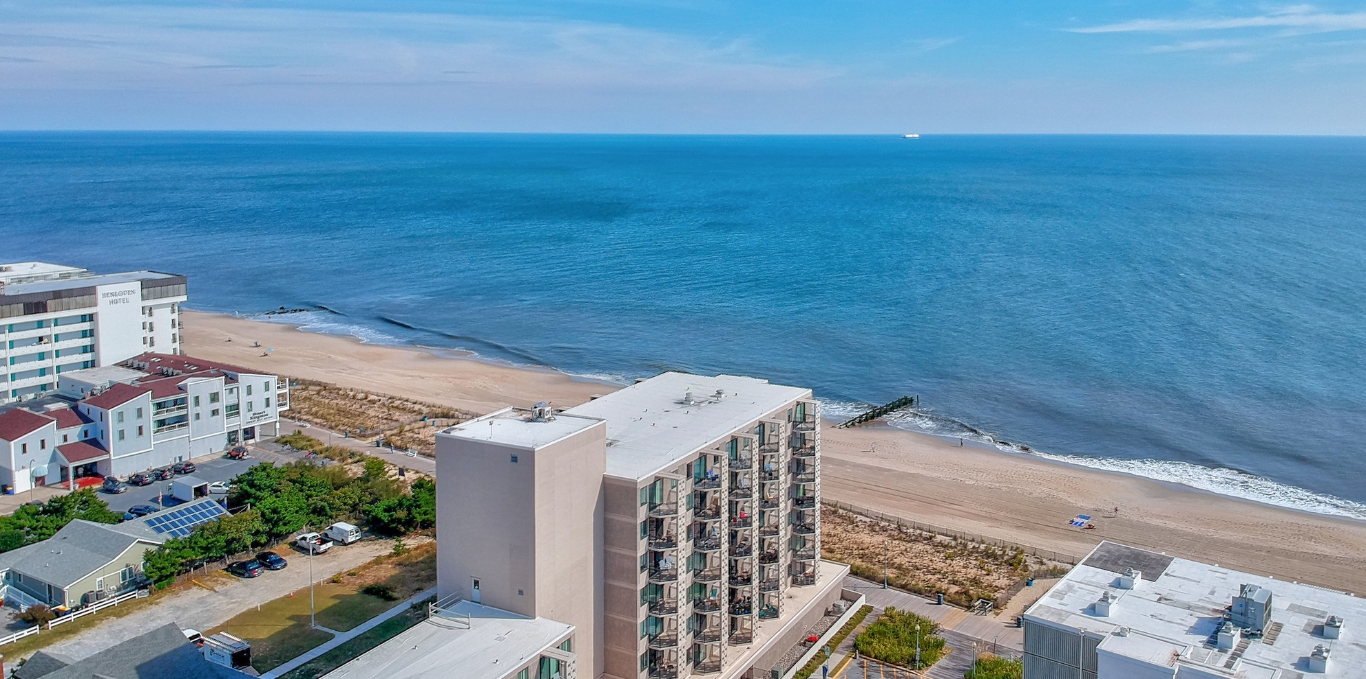
Relocating to Southern Delaware? Maybe you spent years vacationing in Rehoboth Beach and are ready for a place of your own. Perhaps Lewes is on your retirement radar. You might be searching for a second home near Bethany Beach, a rental investment closer to the coast, or a full-time residence in one of the communities surrounding the beach towns.
Whatever brings you here, buying a home from out of state requires a little more planning than purchasing around the corner.
The good news? Much of the process can be coordinated from a distance. The key is knowing which decisions require local knowledge and which Southern Delaware details are worth understanding before you make an offer.
Our Delaware Home Buyer Guidebook is another helpful starting point to relocating to Southern Delaware and for understanding the purchase process from search through settlement.
1. Start by Narrowing Down Where in Southern Delaware You Actually Want to Be
One of the first mistakes an out-of-state home search can make is treating “the Delaware beaches” like one market.
It is not.
A property in downtown Rehoboth Beach can offer a very different lifestyle, ownership experience and price point from a home west of Route 1. Lewes brings another mix of historic neighborhoods, waterfront properties and newer communities. Bethany Beach and Fenwick Island appeal to people looking farther south, while Ocean View, Selbyville, Millsboro and Milton can expand the search considerably.
Even within the same ZIP code, you may be comparing:
- Walkable in-town homes
- Oceanfront or waterfront properties
- Condominiums
- Established residential neighborhoods
- New-construction communities
- Amenity-rich planned communities
- Second homes and vacation properties
- Investment opportunities
Our look at the Southern Delaware housing market explains why market conditions can vary significantly depending on what, where and how you are buying.
If Rehoboth is your primary focus, our guide to buying a home in Rehoboth Beach also explores some of the differences between in-town properties, surrounding communities, condos, second homes and other coastal options.
2. Decide How You Plan to Use the Delaware Property
Before talking seriously with a lender or narrowing your search, determine whether the home will be your:
- Primary residence
- Second home
- Vacation property
- Investment or rental property
- Future retirement home
Someone relocating to Delaware full time may prioritize year-round convenience, healthcare access, storage and everyday amenities. A second-home search might focus more heavily on proximity to the beach, low-maintenance ownership and community amenities. An investment-minded purchase introduces another set of questions, including rental restrictions, association rules and operating costs.
Start with how you want to use the property — not simply what looks appealing online.
3. Build a Realistic Southern Delaware Ownership Budget
Purchase price is only one part of buying a home near the Delaware coast.
Before deciding what you are comfortable spending, consider the complete cost of ownership, which can include:
- Mortgage principal and interest
- Property taxes
- Homeowners insurance
- Flood insurance, where applicable
- HOA or condominium fees
- Utilities
- Exterior and coastal maintenance
- Lawn or community services
- Furnishings for a second home
- Rental-related expenses, if applicable
- Travel or moving costs associated with an out-of-state purchase
There is also a Delaware-specific closing expense worth understanding: realty transfer tax.
Delaware imposes a state realty transfer tax, and counties or municipalities may impose an additional local transfer tax. Realty transfer taxes are typically shared between the buyer and seller, although the specific transaction and contract should always be reviewed with the professionals handling settlement. Certain qualifying first-time purchasers may also be eligible for a reduction.
4. Get Financing in Place Before You Fall in Love With a Property
If you are financing the purchase, begin the lender conversation early.
The lender should know:
- You are purchasing in Delaware
- Whether the property will be primary, secondary or investment use
- Whether you are keeping or selling your current residence
- Whether employment or income will change after your move
- Where your down payment will come from
If your Delaware purchase depends on proceeds from another home, timing becomes especially important.
A strong preapproval also makes the actual property search more productive. Instead of trying to determine what is possible after you find a home, you can search with a clear understanding of your financing from the beginning.
5. Work With Someone Who Knows the Coastal Delaware Market
This becomes particularly important when you cannot attend every showing, inspection or appointment yourself.
An experienced local real estate team can help you understand things that may not be obvious from the listing photos:
Is the property truly walkable to town?
How does traffic change seasonally?
Is the community primarily full-time residences, second homes or a mix?
What do the association fees cover?
Are there rental restrictions?
How does this neighborhood compare with one five minutes away?
Is a waterfront location likely to introduce additional insurance or maintenance considerations?
The Debbie Reed Team works throughout Rehoboth Beach, Lewes, Dewey Beach, Bethany Beach, Fenwick Island and the surrounding Sussex County communities, helping people compare everything from condos and coastal retreats to new construction, primary residences, investment properties and higher-end waterfront homes.
You can browse current Coastal Delaware properties for sale before beginning your search.
6. Use Virtual Tours Strategically—Not as a Substitute
Buying from another state does not necessarily require flying or driving to Delaware every time an interesting property hits the market.
Live video tours can be incredibly useful. But there is an important difference between watching a polished listing video and having someone walk through the property specifically for you.
During a live virtual showing, ask to see:
- The street and neighboring properties
- Views from individual windows
- Storage areas and closets
- Mechanical systems
- Crawl spaces or basements when accessible
- Exterior condition
- Parking
- Community surroundings
- Road noise
- Water proximity
- Anything that photographs unusually well or suspiciously poorly
When possible, it can still be valuable to spend time in the area before purchasing, particularly if you are unfamiliar with how one Southern Delaware location differs from another.
7. Pay Extra Attention to Flood Risk Near the Delaware Coast
For an out-of-state purchaser, this deserves its own step.
Flood risk in Southern Delaware is not limited to a home sitting directly on the ocean. Properties near bays, canals, marshes, tidal waterways and some lower-lying inland areas can also warrant additional research.
Delaware’s Department of Natural Resources and Environmental Control offers a Flood Planning Tool where users can research specific locations, FEMA floodplain information, topography and other flood-related data.
Research a property with Delaware’s Flood Planning Tool
For a property you are seriously considering, look beyond the words “in a flood zone” or “not in a flood zone.” Ask about:
- The current FEMA designation
- Known flooding or water intrusion
- Elevation
- Flood insurance estimates
- Drainage
- Raised utilities or mechanical systems
- Flood vents or other mitigation features
- Available elevation certificates
- Proximity to tidal water
Our detailed guide to Delaware beach flood zones explains these considerations in greater detail. Knowing the likely homeowners and flood insurance costs earlier can help you compare two seemingly similar properties more accurately.
8. Review Delaware Disclosures and Community Documents Carefully
Every state has its own transaction requirements.
In Delaware, residential sellers generally must provide written disclosure of known material defects, subject to statutory exemptions. Delaware law also contains specific requirements involving radon information and disclosure.
Read those documents rather than simply signing them electronically.
If the property is part of a condo or homeowners association, also review available association documents carefully. Depending on the community, relevant information may include:
- Monthly or annual fees
- What the fees cover
- Rental policies
- Pet rules
- Exterior maintenance responsibilities
- Architectural restrictions
- Amenities
- Reserve information
- Parking or boat-storage rules
These details can materially change how well a property fits your plans, especially for a second home or investment.
9. Never Skip the Inspection Just Because You Are Buying Remotely
You do not have to be physically present for a home inspection. Hire a qualified independent inspector, request a detailed written report and ask whether the inspector can discuss the findings with you by phone or video afterward.
A long inspection report does not automatically mean a bad house. What matters is distinguishing routine maintenance from safety concerns, major defects or items that may require specialist evaluation.
Our breakdown on how to read a home inspection report explains how to prioritize findings and turn a lengthy report into actionable next steps.
For coastal or waterfront properties, your agent and inspector may also recommend additional evaluations based on the home’s age, construction, location and systems.
10. Make the Offer With Local Conditions in Mind
One of the disadvantages of shopping from another state is assuming that negotiation norms from your current market automatically apply in Delaware. They may not.
Offer strategy should reflect:
- Recent comparable sales
- Current local inventory
- Days on market
- Property condition
- Financing
- Inspection terms
- Settlement timing
- Seller circumstances where known and appropriate
- Whether similar properties are attracting competition
The Southern Delaware market can behave differently not only from another state, but from one coastal community or property type to another.
That is especially true when comparing a scarce in-town Rehoboth home with a condo, new-construction property or home farther inland.
11. Ask Early Whether Your Delaware Closing Can Be Handled Remotely
One of the biggest practical questions for an out-of-state purchaser is: Do I need to be in Delaware for settlement?
Not necessarily.
Delaware has permitted qualifying commissioned notaries to perform remote or electronic notarizations using state-approved technology since 2023.
That does not mean every closing can automatically be handled remotely.
Your lender, settlement professional, attorney or title company and the specific documents involved will determine what options are available for your transaction.
Ask early. Waiting until the week of settlement to discover that a particular document needs to be handled differently can create unnecessary stress.
You should also verify wire instructions independently using a trusted phone number before transferring closing funds.
12. Plan for What Happens After Settlement
If this will not immediately become your full-time residence, think beyond closing day.
Who will check the property when you are away?
Who handles lawn care, storm preparation or maintenance?
Will you need a local property manager?
How will utilities be managed?
Does the HOA handle exterior maintenance?
If you intend to rent the home, have you confirmed the rules that apply to that specific property and jurisdiction?
If you are relocating full time, your checklist looks different: movers, utilities, insurance, driver’s license and vehicle updates, healthcare providers and the many practical details involved with making Delaware home.
A successful out-of-state purchase is not only about reaching settlement. It is about making ownership manageable once the keys are yours.
Can You Buy a Delaware Beach Home Without Being Here for Every Step?
In many cases, yes.
Today, it’s possible to complete significant portions of an out-of-state home search remotely, from reviewing listings and live video tours to lender communication, document signing and some closing functions.
But buying remotely works best when the technology is paired with reliable local representation.
You still need people on the ground who can look beyond the listing photos, coordinate appointments, understand the contract, flag local considerations and help you evaluate the property in context.
Frequently Asked Questions About Relocating to Southern Delaware
Can I buy a Delaware home before moving here?
Yes. You do not have to establish Delaware residency before purchasing property. If you are financing a primary residence, however, discuss occupancy requirements and your expected move-in timeline with your lender.
Can I buy a Delaware beach house without seeing it in person?
Potentially. Live video showings, inspections and electronic communication can make a remote purchase possible, but you should be comfortable with the additional reliance on your agent, inspector and other local professionals.
Do I need flood insurance to buy near the Delaware beaches?
Not every coastal property requires flood insurance. Requirements depend on the property’s flood designation, financing and lender, among other factors. Even when coverage is not required, obtaining a quote before purchasing can help you understand the true cost of ownership.
Are Rehoboth Beach and Lewes the only places I should consider?
No. Southern Delaware offers dramatically different options depending on how close you want to be to the ocean, your budget and the lifestyle you want. Searches often extend into Dewey Beach, Bethany Beach, Fenwick Island, Ocean View, Selbyville, Millsboro, Milton, Harbeson and other Sussex County communities.
Can I purchase in Delaware before selling my current out-of-state home?
Potentially. Whether that makes sense depends on your financing, available cash, existing mortgage and tolerance for carrying two properties. Review the numbers with your lender before structuring an offer around a future sale. We wrote a blog about making an offer before selling your home.
Can I close on a Delaware home remotely?
Possibly. Delaware allows approved remote notarization, but remote settlement availability depends on the lender, closing professionals and specific transaction. Confirm the process early.
Thinking About Making Southern Delaware Home?
Buying a home in another state can feel complicated simply because you are making decisions from a distance.
The solution is not necessarily making more trips to Delaware. It is having better information and the right local resources.
The Debbie Reed Team has spent over three decades helping people navigate real estate throughout Rehoboth Beach and the surrounding Southern Delaware communities.
Whether you are planning a permanent relocation, searching for a second home, exploring an investment or finally turning years of Delaware beach vacations into a place of your own – our team can help you compare properties, communities and ownership considerations from the first search through settlement.
Start with our Delaware Home Buyer Guidebook, explore homes currently available throughout Coastal Delaware, or connect with The Debbie Reed Team to begin your search.